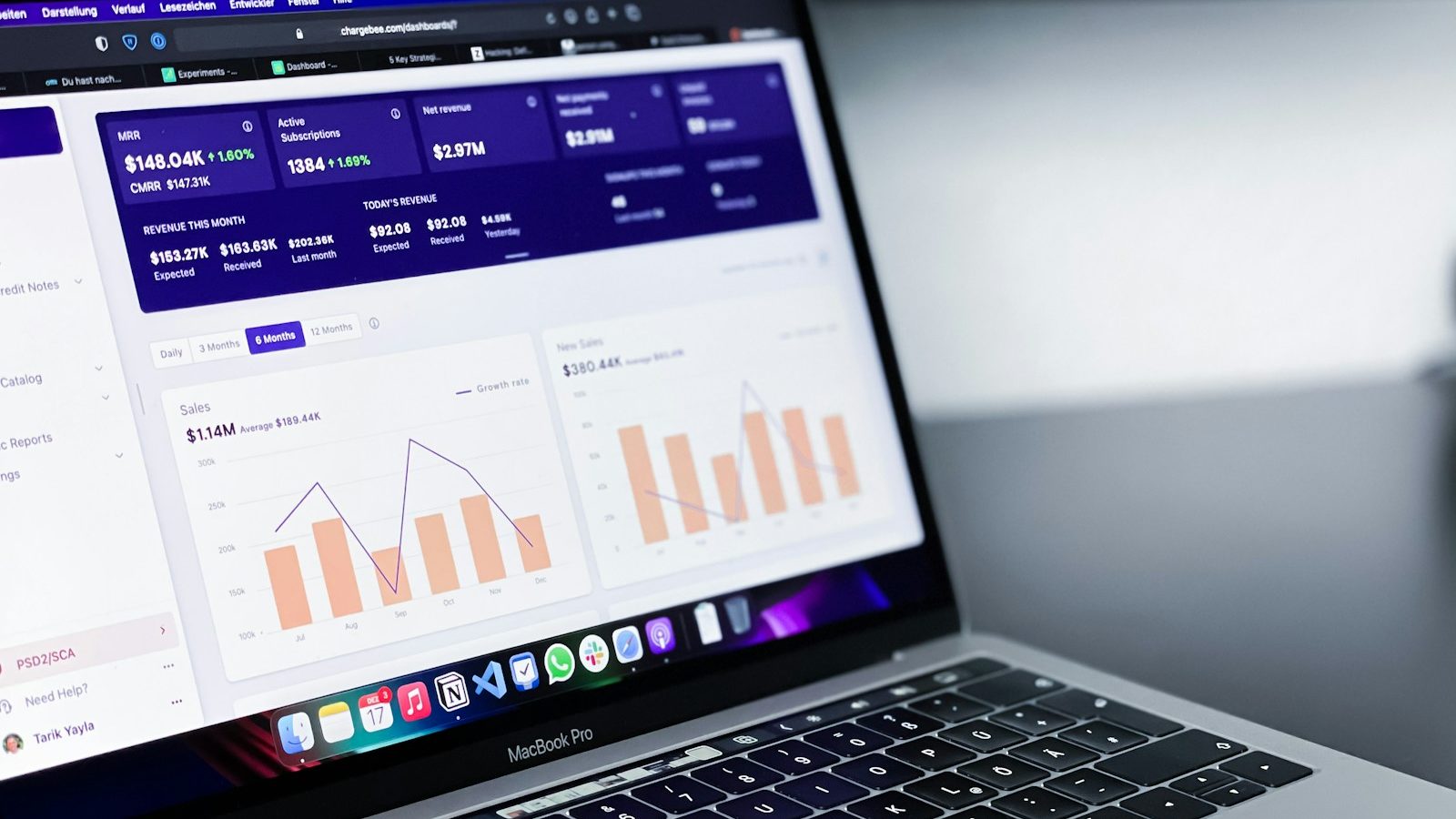
Analytics goals and Google ads connection
If you’re running Google Ads and you can’t answer “which ads brought real enquiries or bookings?”, you’re not managing marketing. You’re buying traffic and hoping. Most owners in Halkidiki and Thessaloniki only notice the problem after they’ve paid for a few “good months” of clicks, then the phone stays quiet and the booking engine shows nothing special. The spend looks active, but the business feels stuck.
This page is for you if you want to judge ads by actions that lead to sales, not by clicks, impressions, or vague “interest”. It’s not for you if you want a dashboard that looks impressive but can’t be trusted, or if you’re not willing to share access to GA4 and Tag Manager so tracking can be verified properly. If this feels uncomfortable, we are not for you.
Analytics goals and Google Ads connection (the version that actually helps you decide)
Who this is for, and who it is not for
This is for boutique hotels, studios, and villas that already spend on Google Ads or are about to, and want to know what they’re getting back in real business terms. You don’t need to be technical, but you do need to care about clean numbers and clear definitions. It’s also for owners who’ve been burned by “set and forget” setups where everything was marked as a conversion, so it looked like ads were working even when they weren’t.
This is not for businesses that want to measure everything and argue about every pixel, while the operation can’t even answer calls consistently. It’s also a bad fit if you run ads while another agency still has access and can change tags or landing pages without anyone knowing. Tracking breaks quietly, and then everyone fights about whose fault it is.
The operational problem this solves (what you feel day to day)
When goals in GA4 aren’t defined well, and Google Ads isn’t connected correctly, you end up making decisions based on noise. You pause keywords that “don’t convert” even though they bring phone calls. You keep keywords that “convert” because the setup counts page views, scrolls, or time on site as success. Then you wonder why occupancy didn’t move, even though reports look busy.
In tourism, the gap between “clicked” and “booked” is where money leaks. Guests compare, ask partners, switch devices, message on WhatsApp, and call after hours. If you don’t track the actions that actually lead to revenue, your ads become a monthly expense with no feedback loop. That’s not marketing, that’s gambling with extra steps.
For reference, Google’s own documentation makes it clear that conversion tracking is about measuring the actions you value, not the clicks you paid for: https://support.google.com/google-ads/answer/1722022. If you don’t define those actions properly, the system optimizes toward the wrong thing, and it will do it confidently.
What changes after it’s in place (in plain business terms)
Once goals are set correctly in GA4 and connected to Google Ads, you stop arguing about “traffic quality” and start seeing which spend creates real intent. You can separate “research clicks” from “ready-to-book actions” and you can see which campaigns bring phone calls versus forms versus booking engine starts. You can also spot the dead weight: ads that look active but never trigger a serious action.
Owners usually notice this after the first season: the best-performing campaign is often not the one with the cheapest click. It’s the one that attracts guests who behave like buyers. That only becomes visible when you track buyer actions, not generic engagement.
This also changes how you talk to anyone managing ads. Instead of “we need more clicks”, the conversation becomes “we need more booking confirmations, or at least more booking starts and availability checks.” That’s a healthier relationship, and it’s harder to cheat with pretty charts.
If you want background on why GA4 events and conversions are structured differently than older Analytics, Google’s GA4 events overview is useful: https://support.google.com/analytics/answer/9322688. You don’t need to study it, but it helps explain why “goals” now mean “conversions from events”.
The hotel examples we can track (the actions that matter)
In small tourism businesses, the goal is not to track everything. The goal is to track the few actions that reliably signal money. What those actions are depends on how guests contact you and how your booking engine behaves.
Here are the common ones we set up and verify, using the language owners actually use:
- Booking engine start: the guest clicks “Book now” and reaches the booking engine, or opens the booking module. This is often the first strong signal of intent, especially when direct bookings matter.
- Availability check: the guest selects dates and triggers availability results. This is usually stronger than “start”, because they’ve moved from curiosity to planning.
- Booking confirmation (if possible): the “thank you” page or confirmation event after a completed booking. This is the cleanest signal, but not always possible due to booking engine restrictions.
- Phone click: taps on a phone number from mobile. In Greece this still closes a lot of sales, and it’s often ignored because it doesn’t “look digital”.
- WhatsApp click: taps on a WhatsApp link or button. Many owners prefer it because it’s async, but tracking must be clean or it gets inflated by accidental clicks.
- Contact form submit: actual submit event, not just “visited contact page”. Too many setups count the page view and call it a lead, which is how budgets get wasted.
- Email click: clicks on a mailto link. This is weaker than form submit in many cases, but still useful when your audience prefers email.
The point is not to brag about tracking. The point is to stop judging ads by clicks and start judging by actions that lead to sales. Clicks are a cost. Actions are evidence.
What’s included (and what “done correctly” means)
When we install this system, we’re not “adding some tags”. We’re defining what you consider a real lead, then making sure GA4 records it consistently, and then making sure Google Ads can use it without importing garbage.
What’s included is one coherent setup that ties together your website, your booking path, and your ad spend, so you can make decisions without guessing. That usually means GA4 event setup, conversion marking, and a clean connection between GA4 and Google Ads, with verification across devices and traffic sources. It also means removing or ignoring “fake conversions” that inflate reports, because those are worse than having no tracking at all.
If you want an external reference on why “clicks” alone are a weak success metric, even Semrush explains the difference between traffic metrics and conversion outcomes in practical terms: https://www.semrush.com/blog/conversion-rate/. Again, you don’t need to become an analyst. You just need numbers that don’t lie to you.
What this does not solve (so you don’t expect miracles)
This does not fix a weak offer, bad photos, poor reviews, or a property that’s priced out of its market. It also doesn’t repair a booking engine that confuses guests, or a website that loads slowly and drops mobile users. Tracking can show you the leak, but it doesn’t plug it by itself.
It also doesn’t turn Google Ads into a guaranteed booking machine. Ads still need proper targeting, search terms control, and landing pages that match intent. What this setup does is give you honest feedback, so you can stop paying for the wrong kind of attention.
And it doesn’t magically attribute every booking to the correct click. Tourism is messy. People search on one device, come back later, ask their spouse, then book from a laptop. Tracking can improve clarity, but it won’t become perfect truth. Anyone promising that is selling confidence, not reality.
Common failure points (where this usually breaks)
This kind of setup fails in predictable ways, and most of them are boring. That’s good, because boring problems can be prevented if you know where to look.
One common break is counting the wrong event. For example, a “contact” conversion that fires when the contact page loads, not when the form submits. Another is double-counting, where one click triggers two events and it looks like you got two leads from one guest. Then there’s booking engines that live on a different domain or inside an iframe, where tracking gets blocked unless it’s implemented carefully and supported by the provider.
A big one is consent and browser behaviour. Some tracking will be limited by user consent choices and browser restrictions, especially on iPhones. That doesn’t mean you can’t measure anything, it means you need to pick signals that remain stable and interpret them like a business owner, not like a spreadsheet addict. If you want to understand the direction of travel, not every last detail, you can still make good decisions.
Contact us
send us an email at web@underlab.gr
call us: +306980700070
send a message via WhatsApp
send an SMS
call or text us on Viber
Verification: how we know it’s working (and how you can check without trusting anyone)
If you’ve been burned before, you don’t need more promises. You need a simple way to verify that conversions are real, not “reporting theatre”. Verification is part of the system, because without it, you’re back to faith-based marketing.
We verify on three axes: clicks, devices, and sources. That sounds technical, but it’s really just common sense testing. If a phone click conversion fires when you tap the number on mobile, it should not fire when you view the page on desktop. If a form submit conversion fires, you should be able to see it in GA4 DebugView during testing, and later in standard reports. If it comes from Google Ads, it should show as Google paid traffic, not “direct” because the tagging was wrong.
Here’s a simple checklist you can follow, even if you don’t want to touch settings:
- Open your site on your phone using mobile data, not Wi‑Fi, and click the phone number once. Check that exactly one phone-click conversion is recorded, not zero and not three.
- Send one test contact form submission with a clear message like “TEST TRACKING”. Confirm you receive it, and confirm GA4 records one form submit conversion.
- Click the WhatsApp button once. Confirm it opens WhatsApp and that the click is recorded once. If it fires when you scroll past the button, it’s wrong.
- Run one test visit from a Google Ads click or a tagged link, and confirm the source shows as google and medium as cpc in GA4. If it shows as “direct”, your decisions will be wrong later.
- Start a booking flow and reach the availability results. Confirm the booking-start or availability-check event fires where it should, not on every page load.
This checklist won’t tell you everything, but it will catch the most expensive lies. We’ve seen this fail many times in setups that were “done” but never tested like a real guest would use the site.
Connecting GA4 goals to Google Ads (what changes inside Ads)
When GA4 conversions are connected to Google Ads correctly, Google Ads can see which clicks led to the actions you value. That affects reporting, bidding strategies, and how you evaluate campaigns. It also reduces the endless debate about whether a campaign “worked” when all it did was bring browsing traffic.
The connection itself is not the hard part. The hard part is deciding which conversions are allowed into Google Ads, because Google will optimize toward what you feed it. If you import weak signals, like “viewed contact page”, it will find people who love viewing contact pages. That’s not a joke, it’s how optimization works.
Ahrefs has a good high-level explanation of why conversion tracking matters for paid search decisions, without turning it into a technical manual: https://ahrefs.com/blog/ppc/. The key idea is simple: optimization needs a real success signal, not a vanity metric.
Booking engines: the limits you need to know upfront
Booking engines are where tracking dreams go to die. Not always, but often enough that it needs to be said clearly. Some engines allow proper cross-domain tracking and confirmation tracking. Some partially allow it. Some block it, or they change things without telling anyone, and your conversions quietly stop firing.
If the booking engine blocks tracking, we don’t pretend. We measure the next-best signals that still correlate with revenue, like booking engine start and availability checks. For many properties, those are strong enough to judge campaigns, especially when paired with call and form tracking. It’s not perfect attribution, but it’s operationally useful, which is what you actually need.
Also, not every booking confirmation can be tracked ethically or reliably, depending on how the engine handles confirmation pages and user data. If someone tells you they can track every booking perfectly without cooperation from the booking engine provider, be cautious. It might work today and break tomorrow, and you won’t know until you’ve paid for weeks of traffic.
When this is a bad fit
This is a bad fit if you don’t have stable control of your website and tags. If your cousin edits the site sometimes, your receptionist installs random plugins, and a third-party “ads guy” changes landing pages whenever he feels like it, tracking will drift. Then you’ll blame the system for being inconsistent, when the real problem is too many hands on the wheel.
It’s also a bad fit if you want to count every message as a “lead” even when it’s “Do you allow pets?” with no dates, no budget, and no intent. You can track that, sure. But it will train your decisions toward low-quality demand, and you’ll end up paying more to answer the same empty questions. You need a definition of “real lead” that matches your business, not your ego.
Finally, if you’re not willing to test. Not endlessly, just once in a while. Tracking setups don’t fail dramatically. They fail silently after site updates, booking engine changes, cookie banner updates, or theme changes. If nobody checks, you’re back to paying for clicks and guessing again.
What we need from you (so this doesn’t turn into a mess)
To keep this clean and verifiable, we’ll ask for a few specific things. Not because we like access, but because without it, you can’t build a measurement system you can trust.
We’ll ask for the name of your booking engine provider and how the booking flow works today. We’ll ask for access to your GA4 property and your Google Tag Manager container, because that’s where the system lives and where verification happens. We’ll also ask you to define what you call a “real lead” in your operation, in one sentence, like you’d explain it to your receptionist.
Examples of real lead definitions that actually help:
A phone call longer than 45 seconds about specific dates.
A form submission with dates and number of guests.
A booking engine availability check for at least two nights within the next 90 days.
If you can’t define it, the tracking will still “work”, but it won’t help you decide anything. Then you’ll be back to judging ads by clicks, just with nicer graphs.
How to think about the decision (without getting sold to)
The business decision is simple: do you want Google Ads to be an accountable sales channel, or a recurring cost you tolerate because “everyone does it”? If you want accountability, you need conversion definitions that reflect your operation, and you need the Ads connection to use those definitions consistently.
If you’re already spending, this is about stopping waste you can’t see. If you’re not spending yet, this is about not building your first campaigns on false signals. Either way, the goal is the same: fewer arguments, fewer surprises, cleaner decisions.
Not sure where to start? Contact our local team for friendly, personalised advice and to arrange a meeting in person.
No shortcuts. No noise. Data analysis. Use only what works.