Зошто брзината на site е поважна од дизајнот за резервации во 2026
A slow website doesn’t lose points. It loses people. A guest taps your link, sees a white screen, waits, then backs out and taps Booking or Airbnb because those pages open instantly. You don’t get a second chance, especially on mobile when they’re on the road, in the sun, or half distracted. And if that click came from Google Ads, you just paid for the privilege of being ignored.
Why Website Speed Matters More Than Design for Bookings in 2026
You can have a beautiful site and still leak bookings every day. If the first thing a guest feels is friction, they assume the rest will be friction too. Not because they “know” anything about performance, but because humans read speed as competence. Slow equals outdated, unreliable, maybe even unsafe, and nobody wants to risk their holiday on that feeling.
This is for owners who want more direct bookings without playing games. If you’re happy to send everyone to OTAs, or you want a “wow” design even if it loads like a truck, we are not for you. If this feels uncomfortable, we are not for you, because speed work forces decisions about what matters and what gets cut.
What actually happens in real time on a guest’s phone
Most owners imagine a visitor calmly browsing their rooms and reading every word. That is not how it goes in July and August. They arrive from Google, Instagram, a map result, or an ad, and they give you a tiny window to prove you’re real. If the page hesitates, they don’t think “maybe the server is slow.” They think “this place looks messy” and they leave.
On mobile, the failure is brutal and quiet. The page starts loading, the screen shifts, buttons move, and the site feels like it’s fighting them. They try to scroll and it hangs for a second. They try to open the booking page and it takes forever. Then comes the fear click: back button, then an OTA listing that loads instantly and feels safe.
If you want the technical version, Google has been saying for years that speed and user experience matter, and they keep tightening it. You can read their own explanation of iskustvoto so stranata without needing to become an engineer. The point is simpler: slow sites make people bounce, and Google sees that too.
Speed is trust, not technology
Design is what people notice when they stay. Speed is what they notice before they decide to stay. If the first interaction feels heavy, they assume the business is heavy too. They start to wonder if the booking will fail, if the confirmation will arrive, if the place is still operating, if the photos are old, if the owner replies late.
This is why speed beats design for small hotels and rentals. Big brands can get away with a bit of heaviness because people already trust the name. You don’t have that luxury, especially if you’re a boutique property in Halkidiki or near Thessaloniki competing with dozens of similar photos. Your advantage is clarity and confidence, and slow pages destroy both.
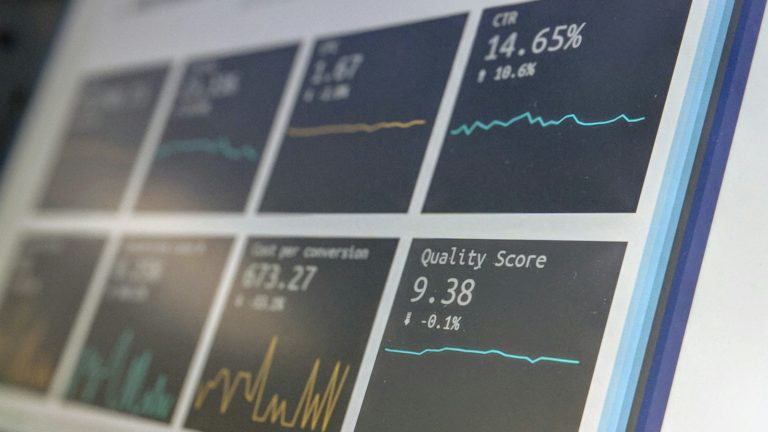
There is also a money angle owners feel immediately. A slow site doesn’t just lose visitors, it wastes the visitors you already paid for. Google Ads is not charity, and Google does not refund clicks because your site was still loading. If you run ads, you should understand that landing page experience affects performance. Google explains the basics of Quality Score, and while it doesn’t read like tourism, the outcome hits tourism budgets hard.
The hidden damage: “fear clicks” back to OTAs
Owners often blame OTAs for stealing bookings. The truth is more annoying: many guests choose OTAs because your site makes them nervous. They don’t want to gamble their card details on a page that feels slow or unstable. They want a checkout that responds instantly, a confirmation email they trust, and a system that looks maintained.
A heavy website creates little panic moments. The button doesn’t respond right away. The calendar takes time to open. The room page reloads when they rotate the phone. They start thinking, “If this is already annoying, imagine if I need to change dates.” That is when they go back and search your property name on an OTA.
This is not about being cheap or lazy guests. It is about reducing risk. OTAs have trained people to expect instant response. Your website has to meet that baseline. Not beat it with fancy animations, just meet it with stability.
Why owners keep paying for design while speed keeps bleeding bookings
Because design is visible. You can show it to friends and they say “nice.” Speed is invisible when it’s good, and painful when it’s bad. Most “experts” also prefer design because it is easier to sell and easier to deliver without being accountable. You can always say, “It’s your hosting” or “It’s the internet” and move on.
Speed forces accountability. Either the page opens fast on a normal phone, or it doesn’t. There’s no opinion. And this is where many projects break: too many people touching the site, nobody owning the result. A photographer uploads 20 megabyte images. A booking engine adds scripts. A theme adds sliders. A plugin adds tracking. Everyone adds, nobody removes.
I’ve seen this movie too many times since the days of dynamic DB websites in 1999. A site starts clean, then every season someone adds “one more thing.” A popup here, a widget there, a new font, a new gallery, a new chat tool. After two years, the site is a suitcase you can’t close, and the guest is the one paying for it with their time.
A true story: ten “experts”, lots of noise, then it suddenly worked
A few seasons ago, a small property came to us after a parade of helpers. They had a site that looked fine on a desktop, but on mobile it was almost unusable. They told me, with a straight face, that “speed is impossible” because the booking engine “needs” all this stuff. They also told me ten different people had “optimised” it and it was already “as good as it gets.” You can guess how that ended.
We checked it like a guest would. Tap, wait. Scroll, stutter. Open the booking step, watch it hang. The owner was angry and tired, and honestly, I don’t blame them. They had paid for tools, audits, and fancy reports that said a lot and changed nothing.
Three days later the site went from absurd to usable. Not magic, not secret hacks, just someone finally making decisions and cutting noise. The funny part is that the previous team laughed when we said it can be fixed. Then they stopped laughing when the owner told them the site suddenly loads and bookings stopped “mysteriously” going back to OTAs. This usually breaks when everybody treats the website like a Christmas tree: keep adding ornaments and never ask if the tree can still stand.
What changes when speed is handled properly
First, your direct booking path stops feeling like a test. Guests can open room pages, check availability, and move through the steps without the site fighting them. That alone increases completions because fewer people drop out in the middle. It also reduces the number of calls that start with “your website doesn’t work” which is not a fun call to receive in high season.
Second, your paid traffic stops leaking. You still pay for clicks, but more of those clicks turn into real browsing and enquiries. Even if someone doesn’t book immediately, they actually see your rooms, your location, and your policies. A fast site gives you a chance to persuade.
Third, your business looks more current without changing your personality. Speed makes your property feel maintained. It doesn’t matter if your style is traditional or modern. When the site responds quickly, it signals you run things properly. That matters more than the perfect font choice, and owners often underestimate that.
If you want a neutral reference point on why performance ties to business outcomes, not aesthetics, even tools like Ahrefs on website speed frame it as rankings and user behaviour. You don’t need to chase scores, but you do need to respect the basics.
What speed work does not solve
Speed will not fix a weak offer. If your photos are poor, your policies are unclear, or your pricing looks like a trap, a fast site just helps guests leave faster. It also will not fix a broken booking engine that confuses people with weird steps or missing information. Speed helps the journey feel smooth, but the journey still needs to make sense.
It will not replace reputation. If your reviews are inconsistent, guests will still hesitate. If your location is hard to understand, they will still go to the map and compare. Speed is not a marketing miracle, it’s a trust baseline.
It also doesn’t solve “we want to look luxury” if your content says budget. Owners sometimes ask for heavy video backgrounds and dramatic transitions because they think it signals quality. In practice, it signals “this site is trying too hard” and it slows everything down. Luxury is calm and fast, not noisy and slow.
Signs you can notice without tools (and without being tech-savvy)
You don’t need reports to suspect a problem. You need your own phone and a bit of honesty. If you feel irritation when using your own site, guests feel it too, and they are less patient than you.
- The site feels slow on your phone even on normal 4G or 5G, not just on the village Wi‑Fi.
- The booking page takes long enough that you look away, then you come back and it’s still loading.
- Images jump around while the page loads and you mis-tap buttons because they moved.
- The page “hangs” before it responds when you try to open a menu, gallery, or calendar.
- You tap a button once, nothing happens, you tap again, and suddenly it opens twice or behaves weirdly.
Owners usually notice this after the first season of “improvements.” At first it is fine, then someone adds a new gallery, a new tracking script, a new booking badge, and suddenly the site feels tired. People call it “just a second” but online, a second is a decision.
Why speed beats design specifically for small hotels and rentals in Greece
Your guests are often comparing you while moving. They are in a taxi from Thessaloniki airport, sitting on a ferry, or walking around a village. They are not on a desktop computer with perfect internet, and they are not in the mood to wait for your homepage to finish loading its “experience.” They want to know three things fast: what it looks like, what it costs, and whether it’s available.
Also, a lot of your demand is seasonal and compressed. In high season, you don’t have time for slow learning cycles. If your site is heavy in July, you don’t “make it up later.” You lose those bookings to OTAs today, and you pay commission on them for no good reason.
And finally, many small businesses have messy supplier setups. The website is one vendor, the booking engine is another, the hosting is somewhere else, and the “marketing guy” has admin access too. When something is slow, everyone points at everyone else. Speed work only makes sense if one team is responsible for the outcome, otherwise you end up paying for meetings and getting excuses.
Where speed projects fail (so you can avoid wasting money)
They fail when the goal is a score, not a customer journey. Someone runs a test, prints a report, and then makes random changes that don’t improve the parts guests actually use. Owners get a PDF and think progress happened, but the booking page still drags.
They fail when design decisions ignore reality. A homepage video might look great in a presentation, but it punishes every mobile visitor. The same goes for heavy sliders, giant photo grids, and five different fonts. The site becomes a showroom for the designer, not a sales tool for the property.
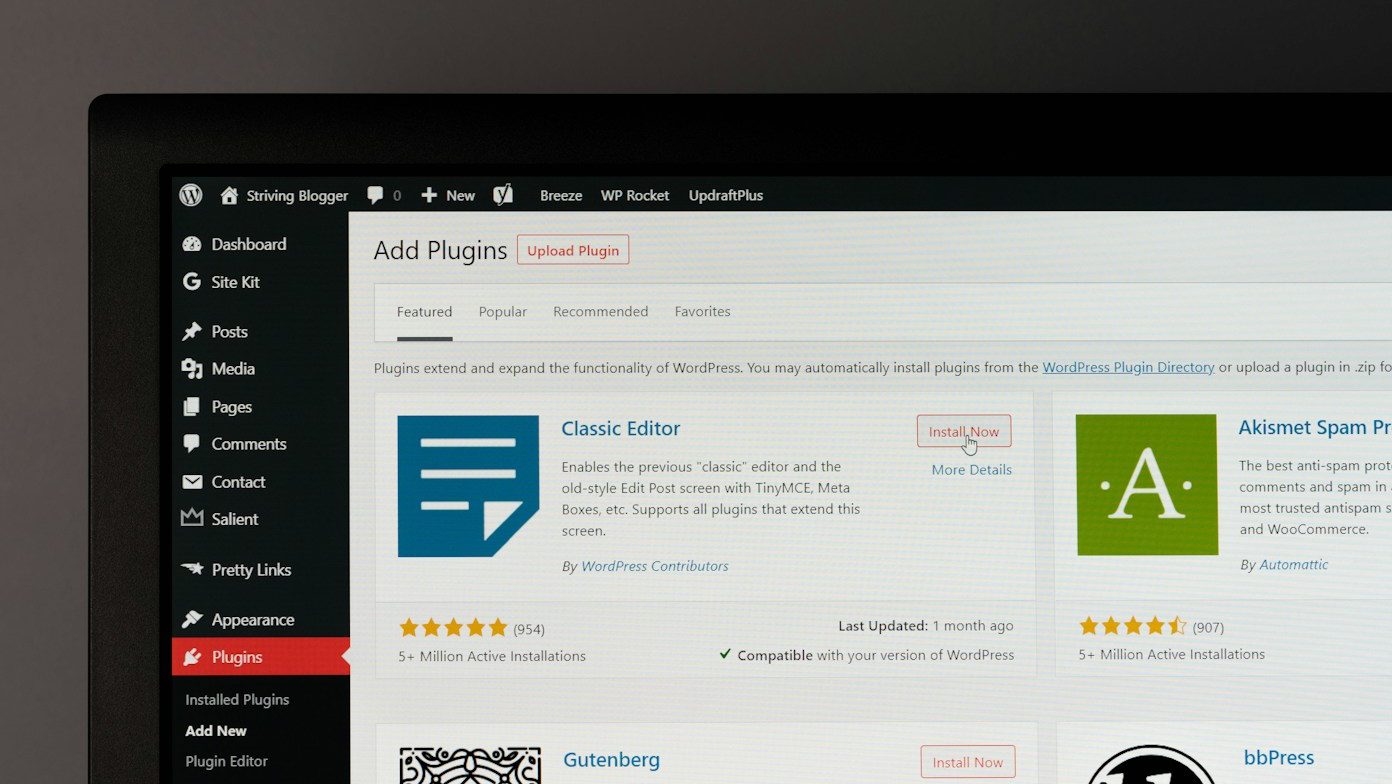
They fail when too many tools are installed because someone is afraid to remove anything. Chat widgets, heatmaps, popups, multiple analytics tags, remarketing scripts, cookie banners that load half the internet. Each one sounds reasonable alone. Together they turn your site into a slow, twitchy mess.
If you want an outside reference that isn’t trying to sell you a redesign, even Cloudflare’s explanation of why speed matters reads like common sense: faster sites keep people engaged and reduce abandonment. It is boring, and that’s exactly the point.
Design still matters, just not the way most people think
A clean design helps when it’s quiet. Clear text, obvious buttons, honest photos, and no surprises. That kind of design usually loads faster anyway because it doesn’t try to impress with weight. The best booking sites are not the prettiest, they are the easiest to use without thinking.
If you want a site that converts, the design job is to remove doubt. Show location clearly. Show rooms clearly. Make policies readable. Make contact easy. Then let the booking engine do its work without making the guest fight the page.
Two things can be true: your site can look good, and it can be fast. The reason we say speed matters more is because when speed is bad, design doesn’t get a chance. Guests never see the details you paid for. They just see delay.
Boundaries that protect the result
If you’re considering asking us to look at speed, here are the boundaries that keep it from turning into a blame game. They are not negotiable because we’ve seen how this fails when everyone has a hand on the wheel.
We don’t optimise websites if other agencies have access and can change things without coordination. It becomes impossible to know why the site got slow again, and you end up paying twice. We also don’t build a “performance plan” for your in-house team or another vendor to execute. That turns into free consulting and zero accountability, and it’s not fair to you either.
And we won’t turn your site into a tracking playground. Measurement matters, but stability matters more. The goal is fewer lost bookings and less wasted ad spend, not ten dashboards nobody checks after September.
Контакт
send us an email at web@underlab.gr
call us: +306980700070
send a message via WhatsApp
send an SMS
call or text us on Viber
How to make the decision without getting dragged into tech
Ask yourself one business question: “Is my website helping guests choose me, or is it pushing them to a middleman?” If you’re spending money on ads, the question becomes sharper: “Am I paying for traffic that my own site can’t hold?”
If you feel defensive when you test your site on your phone, that’s useful data. Owners sometimes tell me, “It loads fine for me.” Then we test it outside their office Wi‑Fi, and the truth shows up fast. It is not about blaming anyone. It is about respecting how guests actually browse.
If you want a simple reality check, open your website on mobile like a guest would. Do it on a normal connection, not your fastest internet. Try to go from homepage to room to availability without getting annoyed. If you can’t do it calmly, your guests won’t either, and that’s your bookings leaking in real time.
Contact us for a blunt reality check in 2026
Bring one phone. We’ll open your site on mobile and watch what happens in the first 20 seconds, at your location, with real conditions. That tells us more than most audits, and it keeps the conversation honest. If the site is fine, you’ll know quickly and you can stop worrying about it.
If it’s not fine, you’ll also know quickly, and you can decide if you want one team to own the outcome instead of five people guessing. Either way, you leave with clarity, not a report you’ll never read again.
Не сте сигурни од каде да почнете? Контактирајте го нашиот локален тим за пријателски, персонализиран совет и за да договориме средба во живо.
No shortcuts. No noise. Data analysis. Use only what works.